 Sumit Yadav
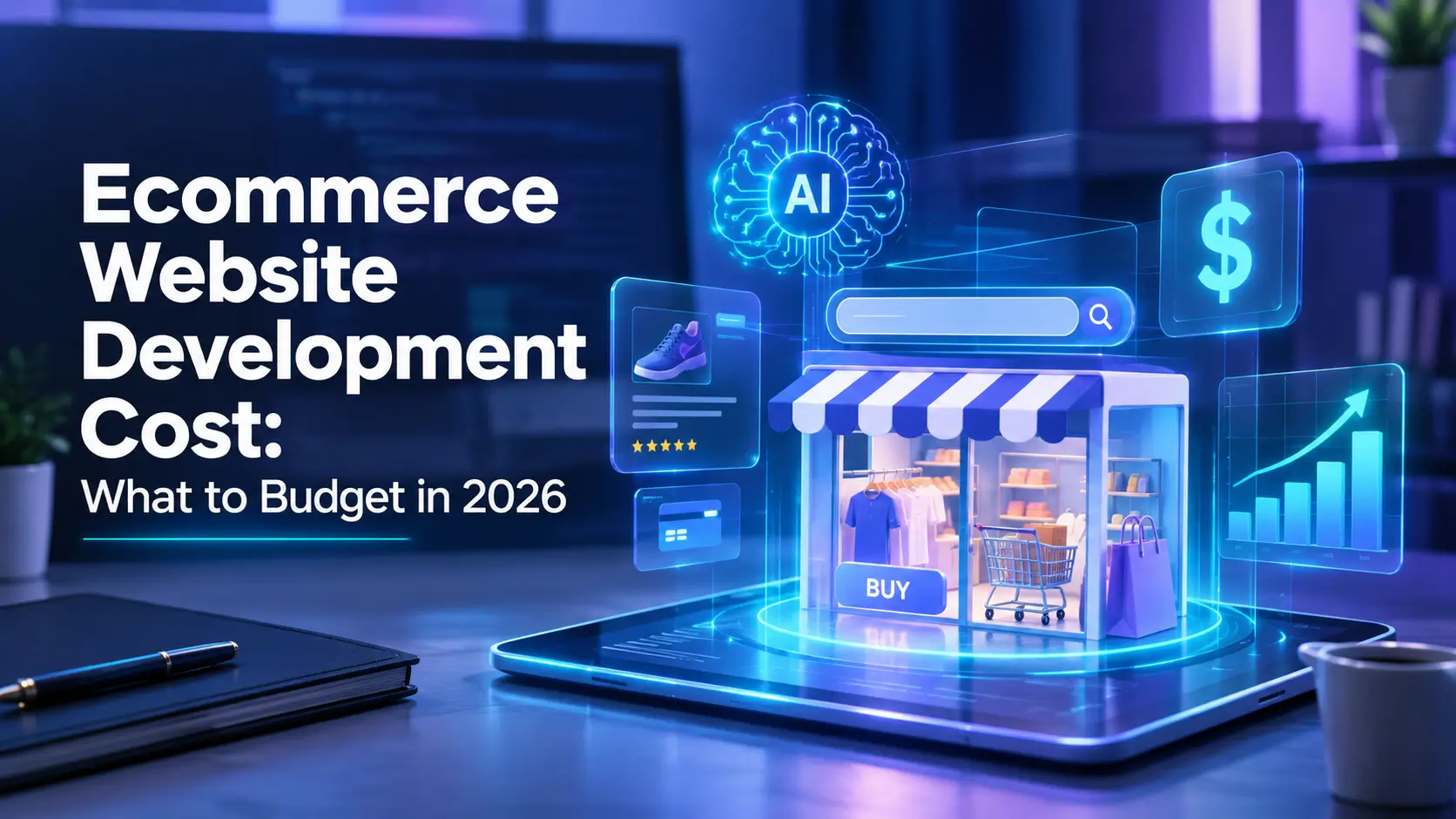
In the rapidly evolving world of digital retail, budgeting for a new website is no longer as simple as picking a template and uploading products. As we move into 2026, the “standard” ecommerce experience has undergone a seismic shift. Driven by generative AI, headless architectures, and spatial computing, the digital storefront of today must be faster, smarter, and more flexible than ever before.
If you are planning your capital expenditure for the coming year, relying on 2023 or 2024 price points is a recipe for project delays and underperformance. While this guide focuses on global trends, it is helpful to compare these against regional labor markets, such as the full breakdown of what a website costs in India featured in our foundational pricing guide. To remain competitive, brands must move away from the “commodity” mindset of building a site and move toward engineering a high-performance conversion engine.
1. The 2026 Price List: Ecommerce Development Tiers
Development costs in 2026 are primarily dictated by the level of customization and the complexity of the “tech stack.” Here is how the market currently breaks down:
The Starter Tier (SaaS-Based)
- Estimated Cost: $5,000 – $18,000
- Best For: New SMBs and specialized boutiques.
- Technology: Shopify, BigCommerce, or Wix Studio.
- What you get: A professionally configured template and essential app integrations. This tier is perfect for those focused on setting up and customising a Shopify store to get to market quickly with a polished, AI-enhanced presence.
The Mid-Market Custom Build
- Estimated Cost: $35,000 – $95,000
- Best For: Established brands scaling toward $10M+ in revenue.
- Technology: Advanced Shopify Plus or Magento.
- What you get: Fully custom UI/UX design and deep ERP integration. For brands preferring an open-source ecosystem, our WooCommerce development approach allows for a highly tailored experience on a scalable WordPress foundation.
The Enterprise Headless Solution
- Estimated Cost: $125,000 – $350,000+
- Best For: High-volume retailers and global brands requiring total frontend flexibility.
2. Primary Drivers of Ecommerce Pricing in 2026
Why has the average cost increased? It isn’t just inflation; it’s the rising baseline of consumer expectations.
- Spatial Commerce & AR: Adding $10,000 – $30,000 to the budget for 3D asset creation and AR integration.
- Mandatory Accessibility (WCAG 2.2+): Ensuring your site is fully navigable for users with disabilities is a legal requirement. This adds 10–15% to design and QA hours.
- The “AI Tax”: Budgeting for generative search and hyper-personalization engines (5k-20k) is now a primary line item.
3. Infrastructure: Why Headless & PWAs Are Worth the Premium
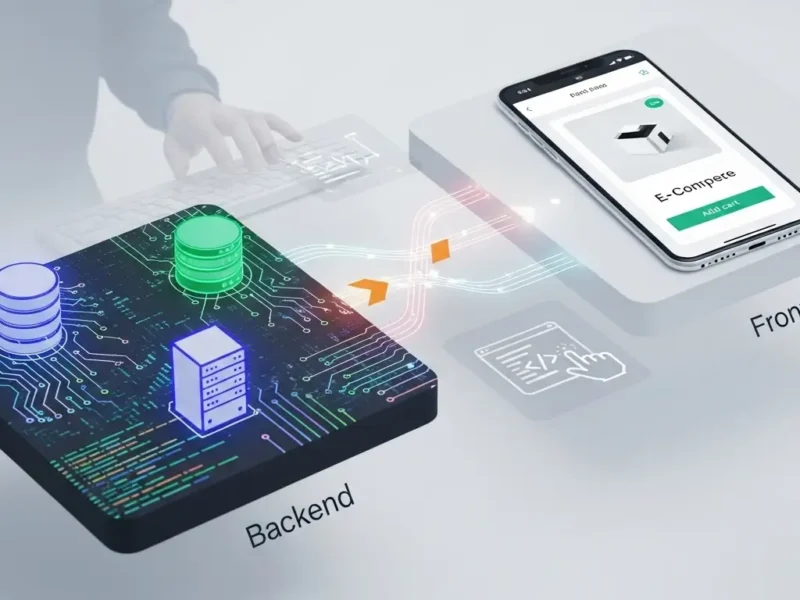
Many brands are moving away from traditional “monolithic” platforms in favor of Headless Commerce and Progressive Web Apps (PWAs). A PWA acts like a mobile app but lives on the web, often providing a better ROI than building a separate native app. In 2026, speed is a currency, and these architectures ensure your site remains at the top of search engine rankings.
4. Ongoing Costs: The 20% Rule
Your investment doesn’t end at launch. To keep a site secure and functional, you must budget for maintenance. A good rule of thumb is to allocate 15% to 20% of your initial build cost annually for security updates, technical debt management, and hosting.
5. Choosing a 2026 Development Partner
Choosing the wrong partner is the fastest way to double your budget. When vetting agencies, you should look for transparency regarding how we approach eCommerce development to ensure the project includes a rigorous discovery phase and an API-first mindset.
Conclusion
Budgeting for an ecommerce website in 2026 requires a balance between financial pragmatism and technological ambition. A site that is slow, inaccessible, or lacks personalization will ultimately cost you more in lost sales and high customer acquisition costs.
Ready to Scale Your Digital Presence?
Don’t leave your 2026 growth to chance. Whether you’re looking to migrate to a headless architecture or launch your first custom-built store, our team of experts is here to help you navigate the complexities of modern commerce.