 Akshay Tyagi
In the rapidly expanding universe of eCommerce, standing out is no longer a luxury—it is a survival mechanism. With millions of active merchants on the platform, Shopify has democratized online selling, allowing anyone to launch a store in minutes. However, this accessibility creates a new challenge: saturation. If your store looks, feels, and functions exactly like thousands of others using the same free template, why should a customer choose you?
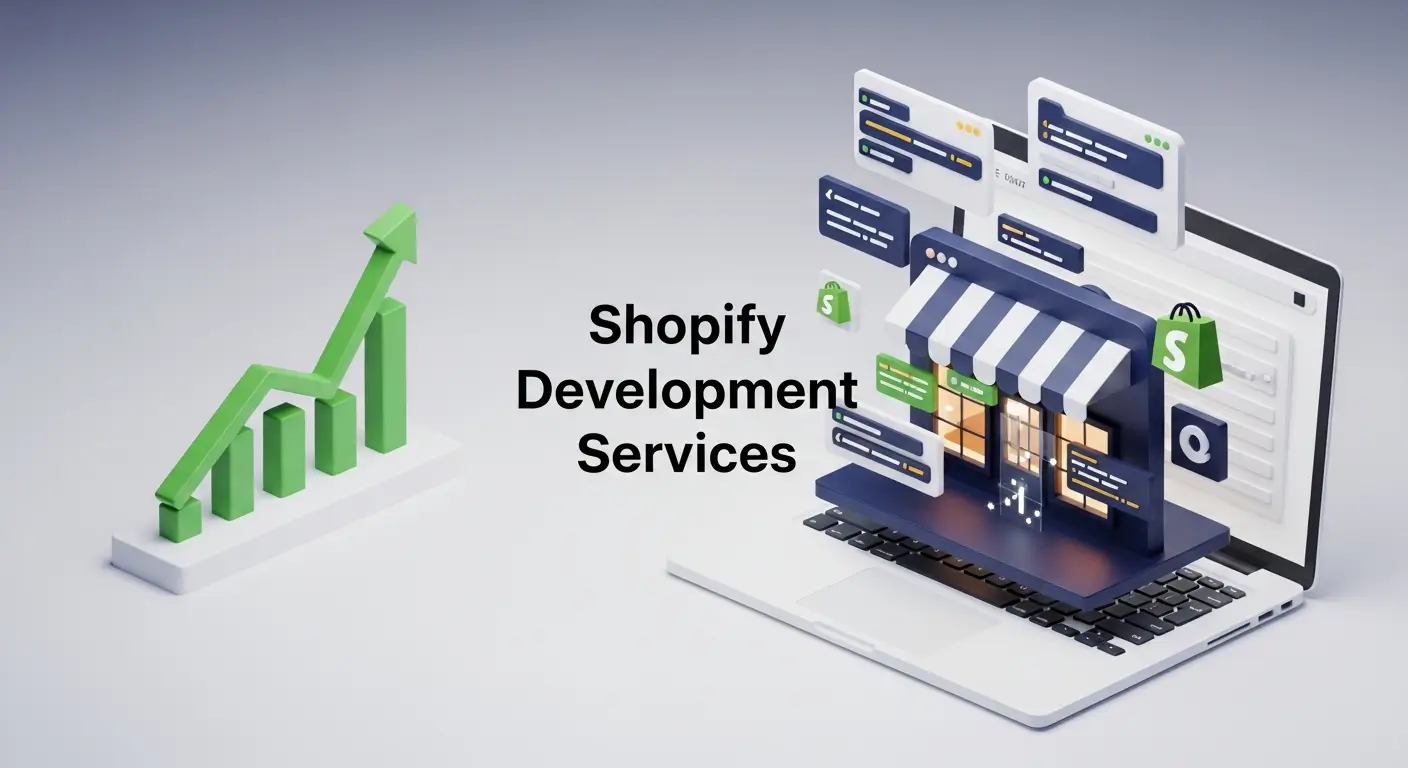
This is where professional Shopify development services come into play. Moving beyond the “out-of-the-box” settings and investing in customization is often the tipping point between a hobby store and a high-revenue brand.
In this guide, we will explore how expert Shopify development can tailor your store to your specific audience, improve technical performance, and ultimately optimize your site for maximum sales.
The Limitations of “Out-of-the-Box” Shopify
Shopify is a powerful platform, but its default state is designed for mass appeal, not specific brand brilliance. Relying solely on pre-built themes and standard settings creates a ceiling for your business growth.
The “Generic” Trap
When you utilize a standard theme without customization, you risk blending into the background. Customers are savvy; they recognize generic dropshipping templates instantly. A lack of unique branding signals a lack of authority, which erodes trust. Without trust, conversion rates plummet.
Functional Rigidities
Basic themes often lack the specific functionalities your niche requires. Whether it’s a complex product builder for a furniture store or a subscription model for a coffee roaster, default settings rarely accommodate unique business logic without tweaking the underlying code.
Core Areas of Shopify Customization That Drive Sales
To maximize sales, you need to view your website not just as a catalog, but as a high-performance sales funnel. Here is how Shopify development services can overhaul key areas of your store.
1. Custom Theme Development
While premium themes are a step up from free ones, a fully custom theme is a game-changer. Professional developers use Shopify’s Liquid coding language to build a storefront that is 100% unique to your brand.
- Brand Consistency: Every pixel, font, and interaction aligns with your brand guidelines.
- Bloat Reduction: Pre-built themes often come loaded with code for features you don’t use, slowing down your site. Custom themes are lightweight and built for speed.
- Strategic Layouts: A developer can structure your homepage to highlight high-margin products or storytelling elements that standard grids cannot accommodate.
2. User Experience (UX) and Navigation Design
If a user cannot find what they are looking for within three clicks, they are likely to leave. Shopify developers specialize in streamlining the user journey.
- Advanced Filtering: Implementing smart search and filtering (by size, color, material, availability) helps customers find products faster.
- Mega Menus: For stores with large inventories, developers can create visual mega menus that organize categories intuitively without cluttering the screen.
- Sticky Add-to-Cart Buttons: Ensuring the purchase button is always visible as the user scrolls down a product page can significantly increase conversion rates.
3. Mobile-First Optimization
With over 70% of eCommerce traffic coming from mobile devices, “responsive” design isn’t enough; you need “mobile-first” design.
Shopify development services go beyond ensuring elements fit on the screen. They optimize touch targets, simplify mobile navigation drawers, and ensure that high-resolution images load instantly on cellular networks. A seamless mobile experience is directly correlated to lower bounce rates and higher sales.
4. Checkout Process Optimization
The checkout page is where the money is made, yet it is also where most sales are lost (cart abandonment). While Shopify protects the checkout code rigidly for security, Shopify Plus merchants and experienced developers can still optimize the flow.
- One-Page Checkout: Reducing friction by minimizing the number of steps to pay.
- Trust Badges and Upsells: Strategically placing security badges or “last-minute add-on” products within the cart drawer.
- Guest Checkout Streamlining: Removing barriers that force account creation before purchase.
Technical Optimizations for SEO and Performance
A beautiful store is useless if nobody can find it or if it takes too long to load. Shopify SEO and technical performance are intrinsic parts of professional development.
Speed is a Ranking Factor
Google’s Core Web Vitals update made page speed a critical SEO ranking factor. Heavy images, excessive apps, and messy code can cripple your load times.
A Shopify developer optimizes speed by:
- Minifying Code: Compressing CSS and JavaScript files.
- Lazy Loading: Ensuring images below the fold only load when the user scrolls to them.
- App Audit: identifying apps that are slowing down the site and replacing them with hard-coded, lightweight solutions.
Structured Data and Schema Markup
To rank high for specific products, search engines need to understand what you are selling. Developers implement schema markup (structured data) directly into your theme’s code. This helps Google display “rich snippets” in search results—showing your product’s price, rating, and availability directly on the search results page. This visual advantage increases Click-Through Rate (CTR).
Internationalization (Hreflang Tags)
If you sell globally, you need to ensure customers in France see the French version of your site and US customers see the US version. Developers implement hreflang tags to prevent duplicate content issues and ensure the right audience sees the right content.
Advanced Features: API Integrations and Custom Apps
As your business scales, you will likely need your Shopify store to talk to other software. This is the realm of advanced Shopify development.
Third-Party API Integration
You may need to connect your store with an ERP (Enterprise Resource Planning) system, a sophisticated CRM (like Salesforce or HubSpot), or third-party logistics (3PL) software.
Standard apps might offer basic connections, but they often break or sync data too slowly. Custom API integrations ensure real-time inventory updates, automated customer data syncing, and seamless order fulfillment workflows.
Private App Development
Sometimes, the app you need simply doesn’t exist on the Shopify App Store.
- Example: A custom curtain seller needs a calculator that prices products based on variable width and height inputs from the customer.
- Solution: A Shopify developer builds a private app or script that runs this calculation instantly on the product page.
Investing in custom functional development solves specific business problems that generic apps cannot, providing a unique value proposition to your customers.
When Should You Hire a Shopify Developer?
Not every store needs a custom build immediately. However, there are clear signs that you have outgrown the DIY phase and require professional services:
- Sales have plateaued: You have traffic, but your conversion rate is stuck below industry standards (1.5% – 2%).
- Site speed is suffering: Your store feels sluggish, and deleting apps hasn’t fixed it.
- Branding limitations: You find yourself saying, “I wish I could move that button there,” but the theme editor won’t let you.
- Operational inefficiency: You are spending too much time manually updating inventory or processing orders because your systems aren’t integrated.
- Migration needs: You are moving to Shopify from Magento, WooCommerce, or BigCommerce and need to migrate data without losing SEO rankings.
Choosing the Right Development Partner
The market is flooded with freelancers and generalists. To ensure maximum ROI, it is crucial to partner with a specialized ecommerce development agency that understands the nuances of the platform. Look for the following when hiring:
- Shopify Experts Status: Look for agencies listed in the official Shopify Experts directory.
- Portfolio of Custom Work: Ask to see examples of custom functionality, not just pretty designs.
- Understanding of CRO: A developer should understand Conversion Rate Optimization. If they don’t know why a “Sticky Cart” is important, keep looking.
- Post-Launch Support: eCommerce is 24/7. Ensure your partner offers maintenance packages to handle updates and bug fixes.
Conclusion
Your Shopify store is your digital flagship. While templates are a great starting point, they are rarely the endpoint for successful, high-revenue brands.
Investing in professional Shopify development services allows you to customize your store for your unique audience, optimize the technical architecture for search engines, and create a frictionless user experience. It shifts your platform from a passive catalog to an active sales engine.
In the competitive world of online retail, the businesses that adapt, customize, and optimize are the ones that win. Don’t settle for “standard”—customize your store for maximum sales today.