 Akshay Tyagi
The landscape of global commerce has shifted dramatically. While standalone online stores remain profitable, the true titans of the digital age are platforms. From Amazon and eBay to Etsy and Airbnb, the multi-vendor marketplace model has revolutionized how we buy and sell. It is no longer just about selling a product; it is about facilitating an ecosystem.
However, transitioning from a standard e-commerce site to a full-fledged marketplace is a quantum leap in technical complexity. It requires robust architecture, intricate logic, and a seamless user experience for multiple user types. This is where building a multi-vendor marketplace with expert e-commerce development becomes not just a luxury, but a necessity.
In this guide, we will explore the anatomy of a successful marketplace, why professional development is critical, and how to turn a complex idea into a high-revenue reality.
The Rise of the Multi-Vendor Marketplace Model
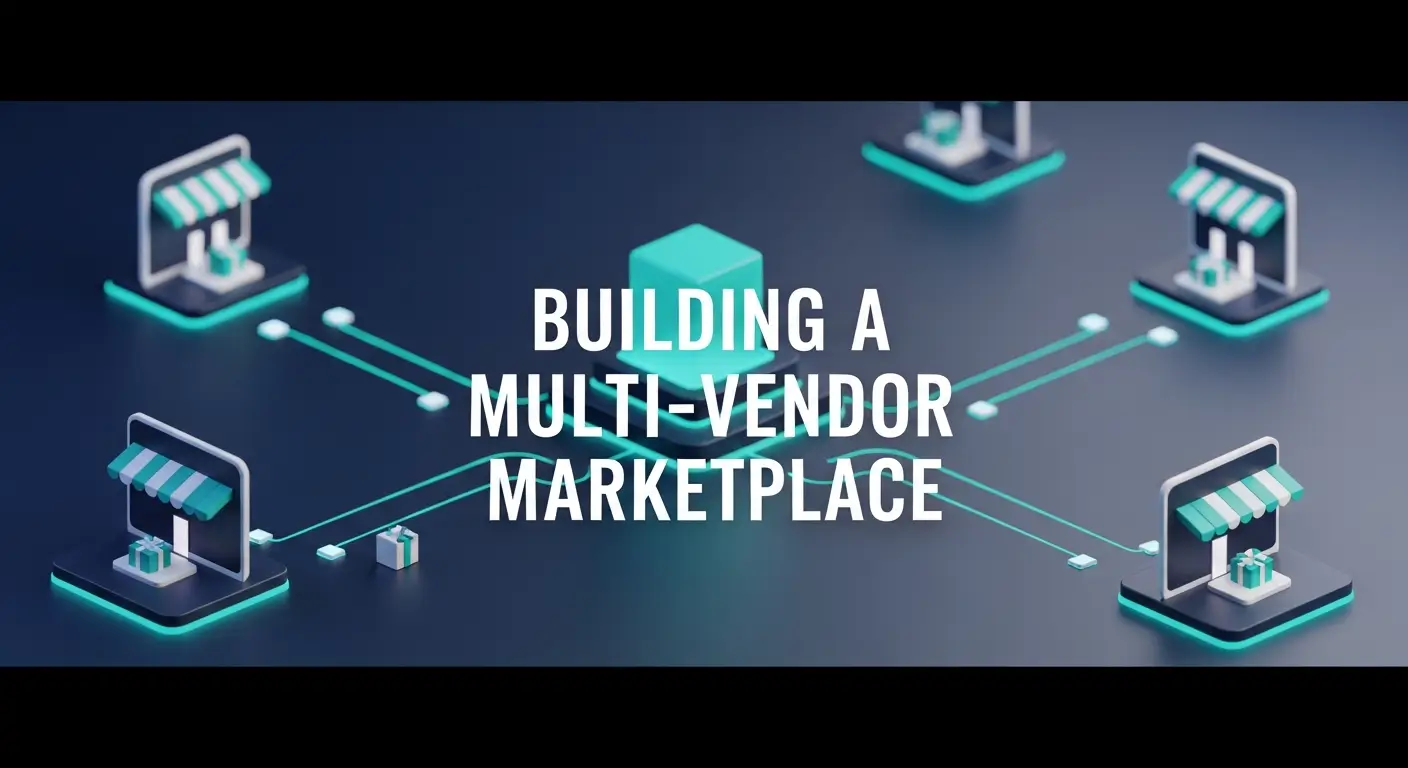
Before diving into the technicalities, it is essential to understand why this model is dominating the internet. A multi-vendor marketplace is an e-commerce platform where multiple third-party vendors can sell their products or services through a centralized portal. The platform owner manages the infrastructure, while the vendors manage their inventory.
Why Entrepreneurs Are Flocking to Marketplaces
- Zero Inventory Risk: Unlike traditional retail, the marketplace owner does not need to buy, store, or ship stock. The vendors handle logistics.
- Diverse Product Range: With multiple sellers, your catalog grows organically, attracting a wider customer base.
- Scalability: It is easier to scale a platform than a single-product store. As you onboard more vendors, your revenue potential grows exponentially without a linear increase in overhead.
However, with great power comes great technical responsibility. Managing payouts, synchronizing inventories across hundreds of sellers, and maintaining quality control requires expert e-commerce development.
Why Expert E-commerce Development is Non-Negotiable
Many startups attempt to launch marketplaces using “out-of-the-box” WordPress plugins or generic scripts. While these may work for a Minimum Viable Product (MVP) with three sellers, they almost invariably crumble under the weight of growth.
Here is why partnering with a professional Ecommerce Development Company is the single best investment you can make:
1. Custom Architecture for Scalability
A generic script handles 100 transactions a day fine. But what happens when you hit 10,000 transactions an hour? Expert developers build on robust frameworks (such as Magento 2, Laravel, Node.js, or enterprise-grade Shopify Plus) designed to handle high concurrency. They optimize database queries and server load balancing to ensure your site doesn’t crash during peak traffic, such as Black Friday.
2. Complex Logic Handling
A standard store has one seller and one buyer. A marketplace involves:
- The Admin (You): Who oversees everything.
- The Vendor: Who needs a dashboard to upload products.
- The Customer: Who might buy three items from three different vendors in a single cart.
Expert developers write the logic that splits that single payment into three separate vendor payouts and one admin commission, calculates three different shipping costs, and generates three different tracking numbers—all instantly.
3. Advanced Security Protocols
When you host third-party vendors, you are responsible for their data and the customers’ financial information. Professional development teams implement bank-grade security, SSL encryption, and compliance with GDPR and PCI-DSS standards to prevent data breaches that could destroy your reputation.
Key Features of a High-Performing Multi-Vendor Platform
To compete with giants, your platform must offer superior functionality. Whether you are building a B2B, B2C, or C2C marketplace, these features are essential.
For the Vendor (The Vendor Dashboard)
If your sellers find the platform difficult to use, they will leave. Expert development focuses on creating an intuitive Vendor Dashboard that includes:
- Easy Product Management: Bulk upload tools and inventory synchronization.
- Order Management: Real-time notifications and packing slip generation.
- Analytics: detailed reports on sales, top-performing products, and payout history.
- Shop Customization: Allowing vendors to brand their “micro-store” within your marketplace.
For the Customer (User Experience)
User Experience (UX) is the primary ranking factor for SEO and conversion rates.
- Advanced Search & Filtering: Customers must be able to filter by price, brand, vendor, location, and rating seamlessly.
- Unified Cart System: The ability to purchase from multiple vendors in a single checkout flow.
- Review & Rating System: A trust mechanism allowing users to rate both products and specific vendors.
- Responsive Design: A mobile-first approach, as over 70% of marketplace traffic comes from mobile devices.
For the Admin (Total Control)
- Commission Management: Flexible commission rules (global, category-based, or vendor-specific).
- Vendor Approval Workflows: To vet sellers before they go live.
- Dispute Resolution Center: A built-in system to manage refunds and disagreements between buyers and sellers.
The Development Lifecycle: From Concept to Launch
Building a multi-vendor marketplace with expert e-commerce development is a structured process. Here is what you can expect when working with a professional team.
1: Discovery and Strategy
This involves market research and defining your niche. Are you a vertical marketplace (selling one specific type of product, like StockX for sneakers) or a horizontal marketplace (selling everything, like Amazon)? Developers will help choose the right technology stack based on your budget and long-term goals.
2: UI/UX Design
Before a single line of code is written, designers create wireframes and prototypes. The goal is to map out the user journey to ensure the path to purchase is frictionless.
3: Core Development
This is where the magic happens.
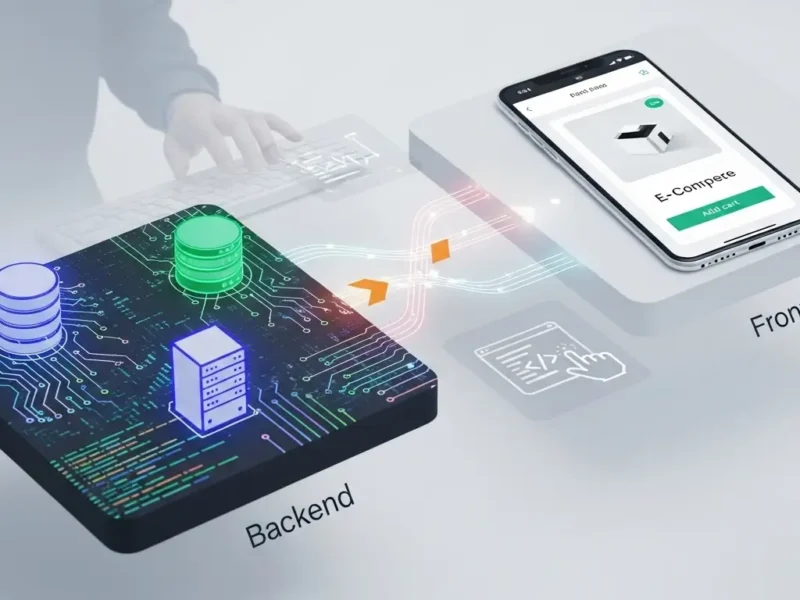
- Frontend Development: Building the visual interface using technologies like React, Vue.js, or Angular.
- Backend Development: Constructing the engine of the site, integrating databases, and setting up APIs.
- Integration: Connecting payment gateways (Stripe Connect, PayPal Adaptive Payments), shipping calculators, and email marketing tools.
4: Quality Assurance (QA)
Rigorous testing is conducted to identify bugs. This includes load testing (simulating high traffic) and security auditing to ensure no vulnerabilities exist.
5: Deployment and Support
The site goes live. However, expert development doesn’t end there. Continuous maintenance is required to update security patches, add new features, and optimize server performance.
Monetization: Turning Code into Cash
One of the benefits of a custom-built solution is the flexibility in monetization. You aren’t stuck with one business model. Expert developers can program various revenue streams into your platform:
- Commission Model: The most common method. You take a percentage (e.g., 10-15%) of every transaction.
- Subscription Model: Vendors pay a monthly recurring fee to list their products on your platform.
- Listing Fees: Vendors pay a small fee for every item they upload.
- Featured Listings: Vendors pay a premium to appear at the top of search results or on the homepage.
- Advertising: Selling banner space to third-party advertisers or featured vendors.
By integrating these models dynamically, you can diversify your income and maximize profitability.
Overcoming Common Challenges
Building a marketplace is rewarding, but it is not without hurdles. Here is how expert developers solve common pain points:
Quality Control
The Risk: Vendors uploading low-quality images or illegal products.
The Solution: Developers create automated approval workflows and AI-integrated image recognition tools to flag inappropriate content before it goes live.
Payment Splitting
The Risk: Complexity in dividing money between the platform and multiple vendors, involving tax implications.
The Solution: Integration of specialized payment gateways like Stripe Connect. This automates the “split payment,” sending your commission to your bank and the vendor’s share to theirs, while handling tax compliance automatically.
User Trust
The Risk: Customers are hesitant to buy from unknown vendors.
The Solution: Implementing a robust “Verified Seller” badge system, SSL certificates, and holding funds in escrow until the product is delivered to ensure buyer protection.
SEO Strategies for Multi-Vendor Marketplaces
Simply building the site is not enough; you need traffic. A significant advantage of expert e-commerce development is that SEO best practices are baked into the code.
- Programmatic SEO: With thousands of products, you cannot write meta descriptions for each one manually. Developers can automate the generation of SEO-friendly titles and descriptions based on product attributes.
- Site Speed Optimization: Google penalizes slow sites. Clean code, image compression, and Content Delivery Networks (CDNs) ensure your marketplace loads instantly, boosting your rankings.
- Structured Data (Schema Markup): Implementing code that helps search engines understand your content (e.g., displaying star ratings and prices directly in Google search results), which increases Click-Through Rates (CTR).
- URL Structure: creating clean, human-readable URLs for vendors and products rather than messy strings of numbers.
Conclusion
The multi-vendor marketplace is the business model of the future. It offers unparalleled scalability and the potential to dominate specific niches in the e-commerce world. However, the difference between a failed startup and a market leader often lies in the quality of the technology foundation.
Attempting to build a complex ecosystem on shaky, generic software is a recipe for disaster. Building a multi-vendor marketplace with expert e-commerce development ensures that your platform is secure, scalable, and designed to convert visitors into loyal customers. It transforms your vision from a concept into a robust, revenue-generating engine.
Don’t let technical limitations stifle your business growth. The platform economy is waiting—are you ready to claim your share?
Ready to Build the Next Big Marketplace?
Your vision deserves world-class execution. If you are looking to launch a scalable, secure, and feature-rich multi-vendor marketplace, you need a development partner who understands the intricacies of the platform economy.
Contact Us Today for a Free Consultation and let’s discuss how we can bring your marketplace idea to life with precision and expertise.