 Akshay Tyagi
In today’s fiercely competitive digital marketplace, generic, off-the-shelf e-commerce platforms often fall short. Businesses with unique visions, specific operational requirements, or ambitious growth trajectories frequently find themselves constrained by restrictive features, limited design flexibility, and frustrating vendor lock-in. This hinders their ability to innovate and truly stand out.
Imagine an online store that’s not just a template, but a precise digital extension of your brand – perfectly tailored, endlessly scalable, and uniquely yours. This is the power of full stack e-commerce development. This comprehensive guide will explore the world of building a custom, end-to-end online store solution, empowering you to understand, plan, and ultimately deploy an e-commerce platform that drives sustained growth and defines your digital presence.
By the end of this article, you’ll gain clarity on what full stack e-commerce entails, its key components, popular architectural choices, and the essential features that differentiate a good online store from a truly great one. We’ll also cover the strategic benefits and potential challenges of custom development, providing actionable insights to help you plan for optimal scalability, robust security, and peak performance.
What Exactly is Full Stack E-commerce Development?
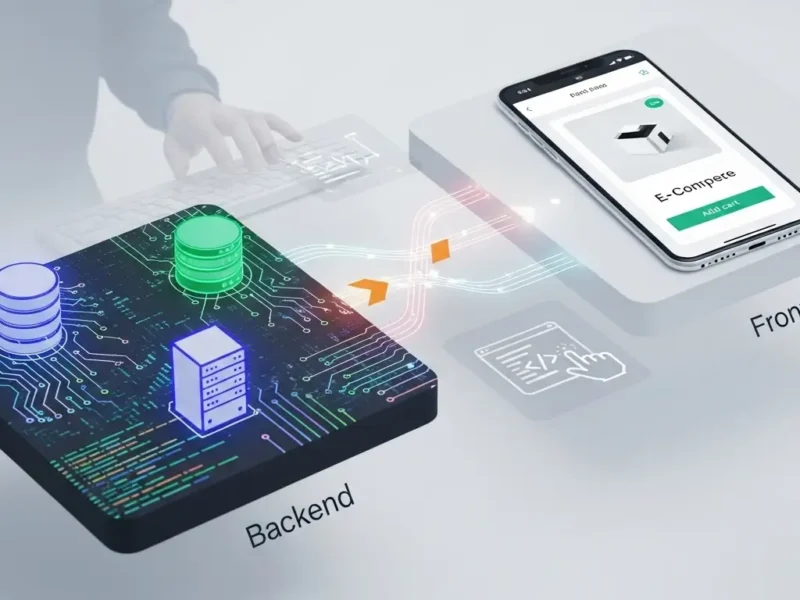
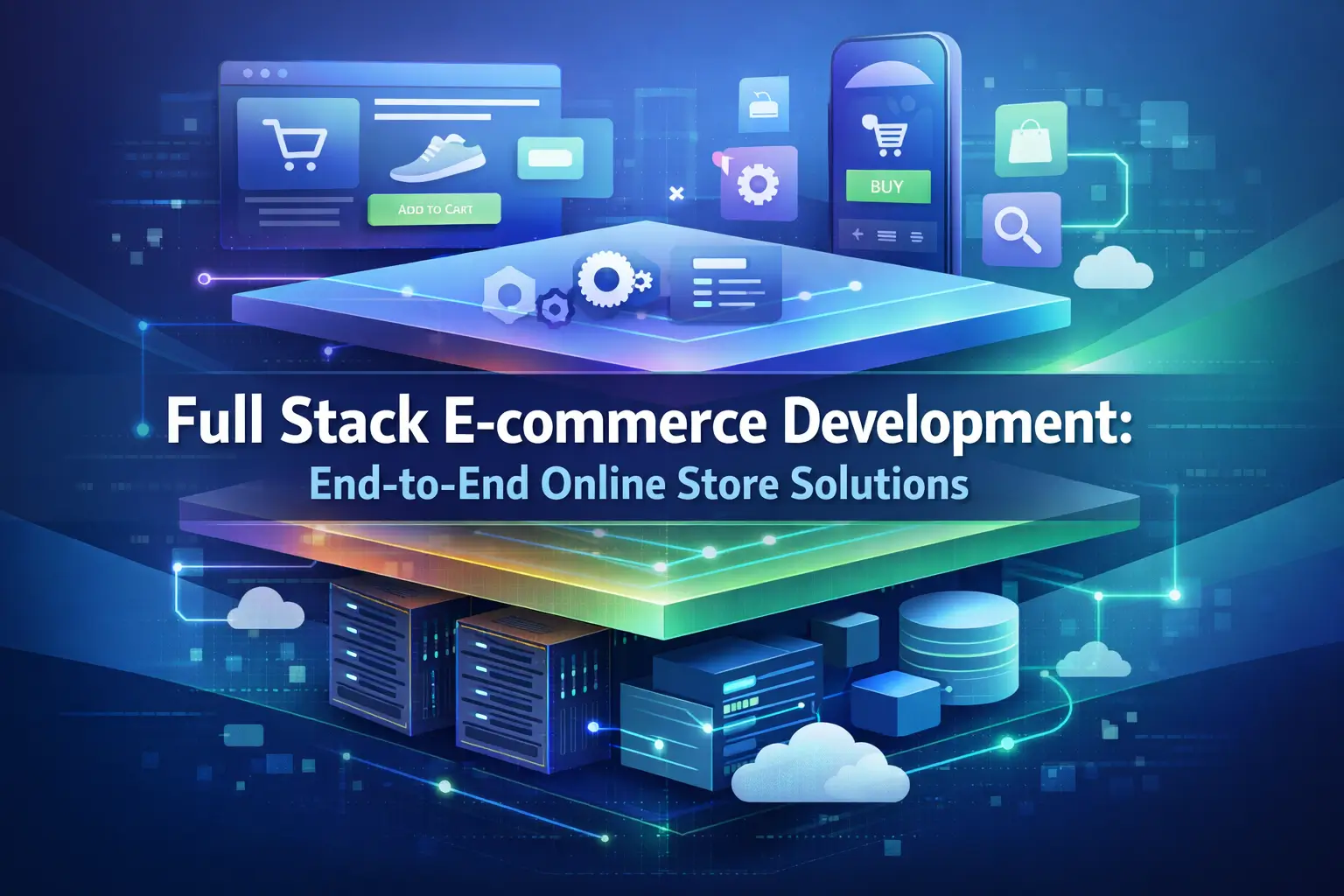
At its core, full stack e-commerce development refers to the comprehensive process of building an entire online store application from the ground up, covering every layer of its operation. It involves combining front-end (client-side), back-end (server-side), and database development to create a complete, integrated e-commerce application that functions seamlessly.
Think of it like building a bespoke house rather than moving into a pre-fabricated one. You design the façade, the interior layout, the plumbing, and the electrical systems – every detail is under your control. Similarly, an end-to-end development approach gives you complete authority over every aspect of your online store, from the pixel-perfect user interface to intricate server logic and robust data storage.
This isn’t “just a website”; it’s a sophisticated digital ecosystem engineered to handle everything from initial user interaction and product browsing to secure payment gateway integration, precise inventory management, and efficient order fulfillment.
The core components of full stack e-commerce can be broken down into three interdependent layers:
1. Frontend (Client-Side):
This is the user-facing part of your online store – everything a customer sees and interacts with in their web browser or mobile app. It encompasses the design and layout of product display pages, the intuitive flow of the shopping cart, the ease of navigating user account pages, and the overall visual appeal and responsiveness of the site. Its primary goal is to provide an engaging and seamless user experience (UX) and user interface (UI).
2. Backend (Server-Side):
This layer acts as the brain of your e-commerce application, handling all the logic that users don’t directly see. The backend processes requests from the frontend, manages business rules, interacts with the database, and integrates with external services. Key functions include processing orders, managing user authentication, updating inventory levels, and securely handling payments via payment gateway integration.
3. Database:
This is the secure repository where all critical information for your online store is stored. It houses product data (descriptions, images, prices), user profiles, order history, inventory counts, shipping addresses, and transaction records. A well-structured database is fundamental for efficient data retrieval, consistency, and e-commerce scalability.
These three layers work in concert. When a customer adds an item to their cart (frontend), the backend processes this request, updating the database’s inventory and cart information. When they proceed to checkout, the backend securely handles the payment and records the order, while the frontend displays confirmation. This intricate dance is what defines a truly end-to-end online store solution.
The Core Tech Stacks for Building Custom E-commerce Solutions
Choosing the right e-commerce tech stack is one of the most crucial decisions in full stack development. It dictates the capabilities, scalability, and long-term maintainability of your online store. There isn’t a single “best” stack; the ideal choice depends on your project scope, team expertise, scalability needs, budget, and desired features.
Here are some of the most popular and effective tech stacks for e-commerce:
MERN Stack (MongoDB, Express.js, React, Node.js):
- Pros: Utilizes JavaScript across the entire stack, streamlining development. Offers high performance, a large community, and is ideal for single-page applications (SPAs). React’s component-based architecture makes UI development efficient.
- Cons: MongoDB’s schema-less nature requires careful planning for data integrity in complex e-commerce scenarios. Can be complex for new developers.
- Use Case: Building dynamic, modern e-commerce platforms requiring real-time updates, rich user interfaces, and high interactivity.
MEAN Stack (MongoDB, Express.js, Angular, Node.js):
- Pros: Similar to MERN, but uses Angular for the frontend. Angular is a robust, opinionated framework well-suited for large-scale enterprise applications, offering structured development.
- Cons: Generally has a steeper learning curve than React and can be more verbose.
- Use Case: Large, feature-rich e-commerce applications with complex front-end requirements and a preference for a structured framework.
LAMP Stack (Linux, Apache, MySQL, PHP):
- Pros: A very mature and stable stack with vast resources and a large developer community, making hosting cost-effective and support readily available. PHP frameworks like Laravel or Symfony offer powerful tools.
- Cons: Can sometimes be perceived as less “modern” or performant for very high-traffic sites without significant optimization compared to Node.js-based stacks.
- Use Case: Established businesses needing reliable, scalable solutions, especially when leveraging platforms like Magento or custom PHP applications.
Python-based Stacks (Django/Flask + PostgreSQL/MySQL + React/Vue):
- Pros: Python’s readability and powerful frameworks like Django (full-featured) or Flask (microframework) excel at complex backend logic and data processing. Excellent for integrating AI/machine learning for recommendations or fraud detection.
- Cons: Python is less common forpuree-commerce frontend development compared to JavaScript frameworks, often paired with React or Vue.
- Use Case: E-commerce platforms with intricate backend requirements, heavy data processing, and machine learning capabilities.
JAMstack E-commerce (JavaScript, APIs, Markup):
- Pros: Offers superior performance, enhanced security due to a smaller attack surface, simplified scalability (often leveraging CDNs), and lower hosting costs. Frontends like Next.js or Gatsby generate static assets.
- Cons: Less dynamic for highly interactive administrative dashboards that require constant server communication. Relies heavily on third-party APIs for dynamic functionality.
- Use Case: Content-heavy e-commerce sites, static product catalogs with dynamic checkout, and businesses prioritizing extreme speed and security. For those looking to dive deeper into this architectural model, consider our comprehensive full stack developer’s guide for building a headless commerce site, which explores its nuances and implementation best practices.
Essential Features of a Robust E-commerce Platform
Building an end-to-end online store solution means integrating a suite of features designed to attract customers, streamline operations, and ultimately drive sales. It goes far beyond simply listing products.
Here’s a breakdown of must-have e-commerce features:
Core Functionality:
- Product Catalog Management: Intuitive interfaces for adding, editing, and organizing products. This includes detailed product pages with multiple images, videos, comprehensive descriptions, specifications, categorization, tagging, and product variations (size, color, material). Crucially, real-time inventory tracking ensures accurate stock levels.
- User Management: Secure user registration and authentication (including OAuth and social login options). Features like user profiles, order history, wishlists, and address books enhance the customer experience.
- Shopping Cart & Checkout: A smooth, intuitive cart experience allowing users to easily add, remove, and update item quantities. A streamlined, secure multi-step or single-page checkout process is vital, often including a guest checkout option to reduce friction.
- Payment Gateway Integration: Offering multiple secure payment options (credit cards, PayPal, Stripe, Apple Pay, local methods). Adherence to PCI DSS compliance standards and robust fraud detection mechanisms are non-negotiable for e-commerce security.
- Order Management: Comprehensive tools for tracking orders, updating their status, generating invoices, and managing shipping through integrations with major carriers (UPS, FedEx, USPS APIs). Efficient returns and refunds processing is also key.
Advanced Features for Competitive Advantage:
- Powerful Search & Filtering: An incredibly fast and relevant search function (e.g., using Elasticsearch) combined with advanced filtering options (price, brand, attributes) dramatically improves product discoverability.
- Reviews & Ratings: User-generated content builds trust and social proof. A robust system for product reviews and ratings, ideally with photo/video upload capabilities.
- Promotions & Discounts: Flexible tools to create and manage coupon codes, sales events, gift cards, and tiered pricing.
- CRM Integration: Seamless connection with Customer Relationship Management systems for personalized marketing campaigns, customer segmentation, and improved service.
- Analytics & Reporting: Integration with tools like Google Analytics or custom dashboards to track sales, traffic, conversion rates, customer behavior, and marketing ROI.
- SEO-Friendly Architecture: Clean, descriptive URLs, dynamic sitemaps, customizable meta tags, and structured data (schema markup) are crucial for search engine visibility.
- Mobile Responsiveness/PWA: A design that adapts flawlessly to any screen size, or even a Progressive Web App (PWA) for an app-like experience in the browser, catering to the ever-growing mobile commerce market.
- Personalization & Recommendations: AI-driven product recommendations based on browsing history, purchase patterns, and similar customer behavior.
The Strategic Advantages of Custom Full Stack E-commerce Development
While the thought of building a custom e-commerce platform can seem daunting, the benefits of custom e-commerce development, especially when executed with a full stack approach, offer strategic advantages that generic SaaS platforms simply cannot match.
- Unmatched Customization & Flexibility: This is arguably the biggest draw. A custom full stack e-commerce platform allows you to build features precisely tailored to your unique business model – whether it’s complex product configurators, subscription boxes, or niche marketplace functionalities. Your brand identity can be reflected in every design element, freeing you from template limitations and truly differentiating you from competitors.
- Superior Scalability & Performance: Unlike off-the-shelf solutions that might struggle under heavy load, a custom build is designed for anticipated traffic spikes and future expansion. You have complete control over backend optimizations, database queries, caching strategies, and cloud infrastructure (e.g., AWS, Azure, GCP), enabling horizontal and vertical scaling. Studies consistently show that faster page load times directly impact conversion rates; even a one-second delay can lead to a 7% reduction in conversions.
- Enhanced Security: With a custom solution, you dictate the e-commerce security protocols. You can implement advanced fraud detection, robust data encryption, and specific access controls tailored to your needs. Achieving and maintaining PCI DSS compliance is fully manageable, giving you greater peace of mind regarding sensitive customer data.
- Better Integration Capabilities: An end-to-end online store solution is inherently built with an API-first approach, meaning it can seamlessly integrate with virtually any existing or future system – be it your Enterprise Resource Planning (ERP), Customer Relationship Management (CRM), inventory management software, or third-party marketing tools.
- Long-Term Cost-Effectiveness: While the initial investment might be higher, custom solutions can be more cost-effective in the long run. You avoid recurring SaaS fees for critical features, gain full ownership of your intellectual property, and often reduce technical debt that accumulates from heavily customizing generic platforms.
Challenges and Considerations in Building a Full Stack E-commerce Platform
Despite the numerous advantages, embarking on full stack e-commerce development comes with its own set of challenges. Understanding these allows for better planning and risk mitigation.
- Higher Initial Investment: Custom development requires a significant upfront investment in hiring skilled full stack developers or a specialized development agency. Development cycles are also typically longer than simply configuring an off-the-shelf platform.
- Increased Complexity: Managing multiple technologies (frontend, backend, database), ensuring seamless integration, and debugging across different layers can be more intricate. The development team needs broad expertise.
- Maintenance & Updates: Post-launch, you’re responsible for ongoing maintenance, including applying security patches, updating software dependencies, monitoring performance, and troubleshooting. This requires a dedicated technical team or a robust support contract.
- Talent Acquisition: Finding experienced full stack developers with specific e-commerce domain knowledge can be challenging due to high demand.
- Time to Market: Complex custom e-commerce functionality can mean a slower time to market compared to launching a basic store on a SaaS platform.
Mitigation Strategies:
- Thorough Planning: Invest heavily in a discovery phase to define clear requirements and create a detailed roadmap.
- Agile Methodologies: Employ agile development to allow for flexibility, continuous feedback, and iterative improvements.
- Experienced Team: Partner with a reputable full stack development agency or build an in-house team with proven expertise.
- Robust Testing: Implement comprehensive unit testing, integration testing, and user acceptance testing (UAT), along with continuous integration/continuous deployment (CI/CD) pipelines.
Planning Your Full Stack E-commerce Journey: A Step-by-Step Guide
Embarking on a full stack e-commerce strategy requires a structured approach. Here’s a roadmap to help you plan your journey:
- Define Your Business Goals & Requirements: Start with the “why.” What problem does your store solve? Who is your target audience? What are your unique selling propositions? Clearly outline essential features (Minimum Viable Product – MVP) versus desirable enhancements. Set realistic budget and timeline expectations.
- Choose Your Architecture & Tech Stack: Decide between a monolithic, microservices, or headless architecture based on your e-commerce scalability needs. Evaluate tech stacks (MERN, LAMP, Python, JAMstack) considering your team’s expertise and future growth. This choice is fundamental to building an online store roadmap.
- Design the User Experience (UX) & User Interface (UI): This involves wireframing and prototyping. Prioritize a mobile-first design approach and ensure an intuitive navigation and checkout flow. User-centric design is paramount for conversion.
- Backend & Database Development: Focus on designing robust APIs and implementing the core business logic. Create a well-structured database schema and data model. Implement stringent e-commerce security protocols from day one.
- Frontend Development: Bring your UI/UX design to life with responsive, high-performing code. Integrate seamlessly with your backend APIs to ensure dynamic content and functionality.
- Integrations & Third-Party Services: Connect with essential external services: payment gateways, shipping providers, CRM, ERP, and analytics tools. Consider a headless CMS if content management is a significant part of your strategy.
- Testing, Deployment & Launch: Conduct rigorous testing across all layers (unit, integration, UAT, performance, security). Plan your cloud deployment strategy (e.g., AWS, Google Cloud, Azure) for optimal performance and scalability.
- Post-Launch Optimization & Maintenance: Your journey doesn’t end at launch. Continuously monitor performance, review analytics, address bugs, implement feature enhancements, and keep all software and security up-to-date.
Conclusion
The decision to pursue full stack e-commerce development is a significant investment – an investment in unparalleled control, limitless customization, and scalable growth. By opting for a custom, end-to-end online store solution, you’re building a platform that perfectly aligns with your brand’s unique identity and strategic objectives, free from the constraints of generic templates.
While it demands a higher initial commitment in terms of time and resources, the strategic advantages in performance, security, flexibility, and long-term cost-effectiveness can provide an unparalleled competitive edge. It empowers your business to truly innovate, adapt to evolving market trends, and deliver an exceptional customer experience. With careful planning, the right technology choices, and a skilled development partner, any business can embark on this rewarding journey to build the ultimate online store.
Ready to transform your e-commerce vision into a powerful reality?
If you’re considering a custom e-commerce platform and need expert guidance, contact us today for a consultation to discuss how full stack development benefits your unique business and craft a roadmap to your future success.